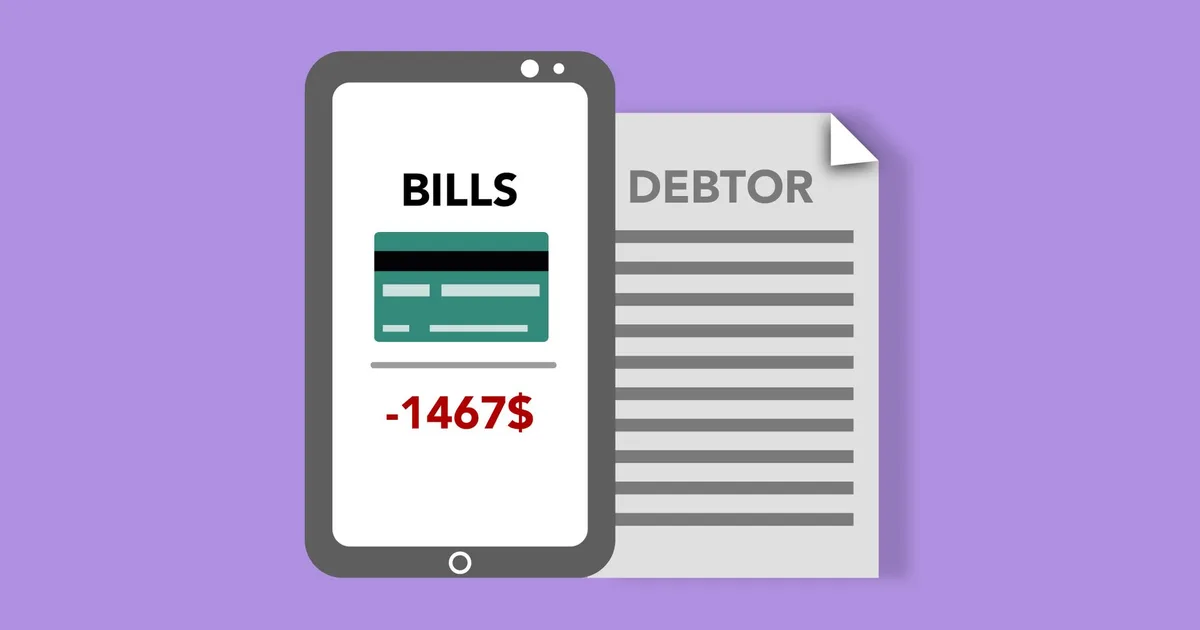
Balance Transfer Credit Cards is one of the most searched finance topics among Americans today. Whether you are just starting out or refining a plan you have followed for years, understanding balance transfer helps you make clearer decisions with your money.
In this guide, we break down balance transfer credit cards: when they make sense (and when they don’t) in plain English — with practical steps, US-specific examples, and answers to the questions readers ask most.
Why Balance Transfer Credit Cards Matters in 2026

Americans face unique financial pressures: rising housing costs, student debt, and shifting interest rates. Why Balance Transfer Credit Cards Matters in 2026 connects directly to balance transfer because small improvements compound over time.
Consider a household earning $65,000 per year in take-home pay. After essential expenses, even allocating an extra $200 per month toward your goal can produce measurable results within 12 months — roughly $2,400 plus any investment growth or interest saved.
- Track your numbers weekly, not monthly
- Automate transfers on payday
- Review progress every 90 days
Tip: Start with one change. Americans who focus on a single financial habit for 30 days are far more likely to sustain it than those who overhaul everything at once.
Key Concepts Every American Should Know
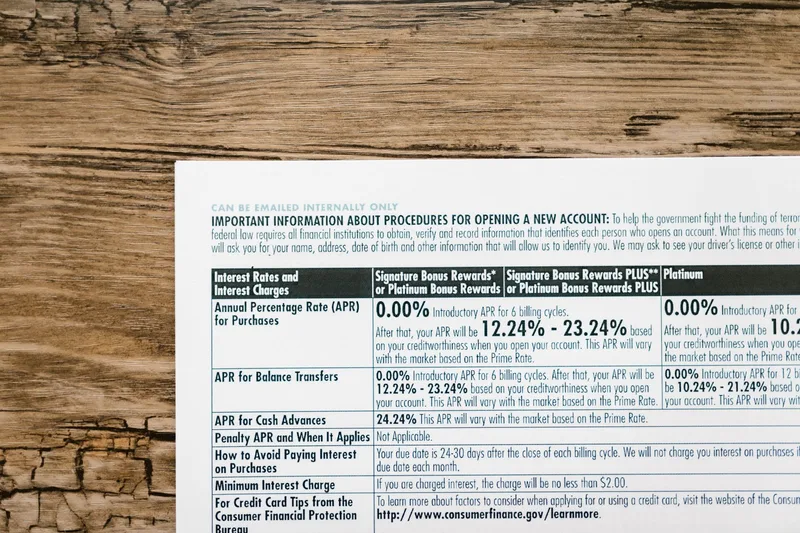
Americans face unique financial pressures: rising housing costs, student debt, and shifting interest rates. Key Concepts Every American Should Know connects directly to balance transfer because small improvements compound over time.
Consider a household earning $65,000 per year in take-home pay. After essential expenses, even allocating an extra $200 per month toward your goal can produce measurable results within 12 months — roughly $2,400 plus any investment growth or interest saved.
- Track your numbers weekly, not monthly
- Automate transfers on payday
- Review progress every 90 days
Tip: Start with one change. Americans who focus on a single financial habit for 30 days are far more likely to sustain it than those who overhaul everything at once.
Step-by-Step Action Plan

Americans face unique financial pressures: rising housing costs, student debt, and shifting interest rates. Step-by-Step Action Plan connects directly to balance transfer because small improvements compound over time.
Consider a household earning $65,000 per year in take-home pay. After essential expenses, even allocating an extra $200 per month toward your goal can produce measurable results within 12 months — roughly $2,400 plus any investment growth or interest saved.
- Track your numbers weekly, not monthly
- Automate transfers on payday
- Review progress every 90 days
| Step | Action | Timeline |
|---|---|---|
| 1 | Audit current situation | Week 1 |
| 2 | Set one measurable goal | Week 2 |
| 3 | Adjust budget categories | Week 3-4 |
| 4 | Monitor and refine | Ongoing |
Tip: Start with one change. Americans who focus on a single financial habit for 30 days are far more likely to sustain it than those who overhaul everything at once.
Common Mistakes to Avoid
Americans face unique financial pressures: rising housing costs, student debt, and shifting interest rates. Common Mistakes to Avoid connects directly to balance transfer because small improvements compound over time.
Consider a household earning $65,000 per year in take-home pay. After essential expenses, even allocating an extra $200 per month toward your goal can produce measurable results within 12 months — roughly $2,400 plus any investment growth or interest saved.
- Track your numbers weekly, not monthly
- Automate transfers on payday
- Review progress every 90 days
Tip: Start with one change. Americans who focus on a single financial habit for 30 days are far more likely to sustain it than those who overhaul everything at once.
Real-World Examples With Dollar Amounts

Americans face unique financial pressures: rising housing costs, student debt, and shifting interest rates. Real-World Examples With Dollar Amounts connects directly to balance transfer because small improvements compound over time.
Consider a household earning $65,000 per year in take-home pay. After essential expenses, even allocating an extra $200 per month toward your goal can produce measurable results within 12 months — roughly $2,400 plus any investment growth or interest saved.
- Track your numbers weekly, not monthly
- Automate transfers on payday
- Review progress every 90 days
Tip: Start with one change. Americans who focus on a single financial habit for 30 days are far more likely to sustain it than those who overhaul everything at once.
Tools and Resources for US Residents
Americans face unique financial pressures: rising housing costs, student debt, and shifting interest rates. Tools and Resources for US Residents connects directly to balance transfer because small improvements compound over time.
Consider a household earning $65,000 per year in take-home pay. After essential expenses, even allocating an extra $200 per month toward your goal can produce measurable results within 12 months — roughly $2,400 plus any investment growth or interest saved.
- Track your numbers weekly, not monthly
- Automate transfers on payday
- Review progress every 90 days
Tip: Start with one change. Americans who focus on a single financial habit for 30 days are far more likely to sustain it than those who overhaul everything at once.
Related reading:
Frequently Asked Questions
How does balance transfer affect everyday Americans?
It influences how much you save, borrow, and invest. Strong fundamentals in balance transfer reduce stress and expand options over time.
What is the first step I should take this week?
Write down your income, fixed bills, and one goal. Clarity beats complexity for most US households.
Do I need a professional advisor?
Many beginners use free tools and reputable educational content first. Consider a fee-only CFP when your situation becomes complex.
How long before I see results?
Budget and debt changes can show results in 30-90 days. Investing and retirement outcomes unfold over years.
Conclusion
Balance Transfer Credit Cards is not about perfection — it is about progress. Pick one action from this guide, schedule it this week, and build from there.
Stay Informed
Get practical finance tips delivered to your inbox. No spam, unsubscribe anytime.
Subscribe to Our Newsletter